The Acropolis Museum

The Acropolis Museum

Athens, Greece

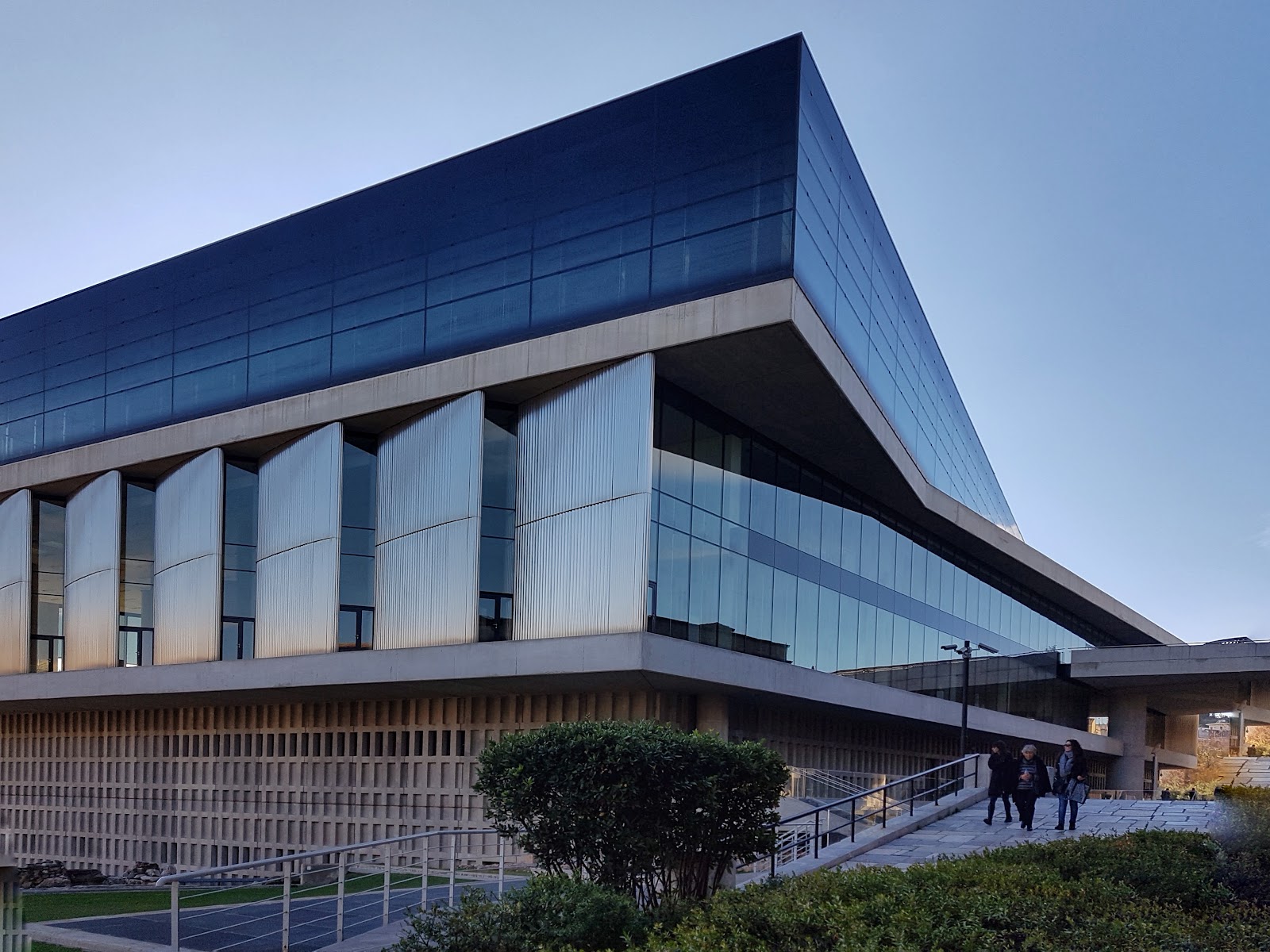
The wide glass and concrete building on the corner is the Acropolis Museum, and the glass box sitting on top of it is crooked.

The wide glass and concrete building on the corner is the Acropolis Museum, and the glass box sitting on top of it is crooked. Everything underneath lines up neatly with the street, while the top floor sits at an angle to all of it, as though somebody had set it down slightly wrong.

It's turned twenty-three degrees, and it's turned to face the Parthenon. Stand square to the street, sight along the edge of that top floor, and it points you straight up at the rock.

That top floor is a room built to the exact footprint of the Parthenon's inner chamber, with glass walls all the way round. The sculpted frieze is mounted on the outside of that core, in the order it ran on the building, at the height it ran, lit by the same daylight. And through the glass, up on the rock, is the actual Parthenon. You look at the carving and you look at the hole it came out of, at the same time.

Downstairs, the whole building stands on columns over a hole in the ground. When they dug the foundations they hi

t an ancient Athenian neighbourhood — streets, houses, drains, a bath complex. So they left it there and built above it on stilts, and the entrance floor is glass. You walk in over somebody's front room.

This building is an argument, and that is precisely what it was built to be.

For most of the last two centuries, the case for keeping the Parthenon sculptures in London included a practical stra
Hear the full story

Hear this story with audio narration in the Bad Historian app.

Get the App

Quick Facts

  • The museum's top gallery is rotated 23 degrees off the street grid to align with the Parthenon, and is built to the exact footprint of the Parthenon's inner chamber with glass walls all round.
  • The building stands on stilts over a live excavation of an ancient Athenian neighbourhood, and the entrance floor is glass.
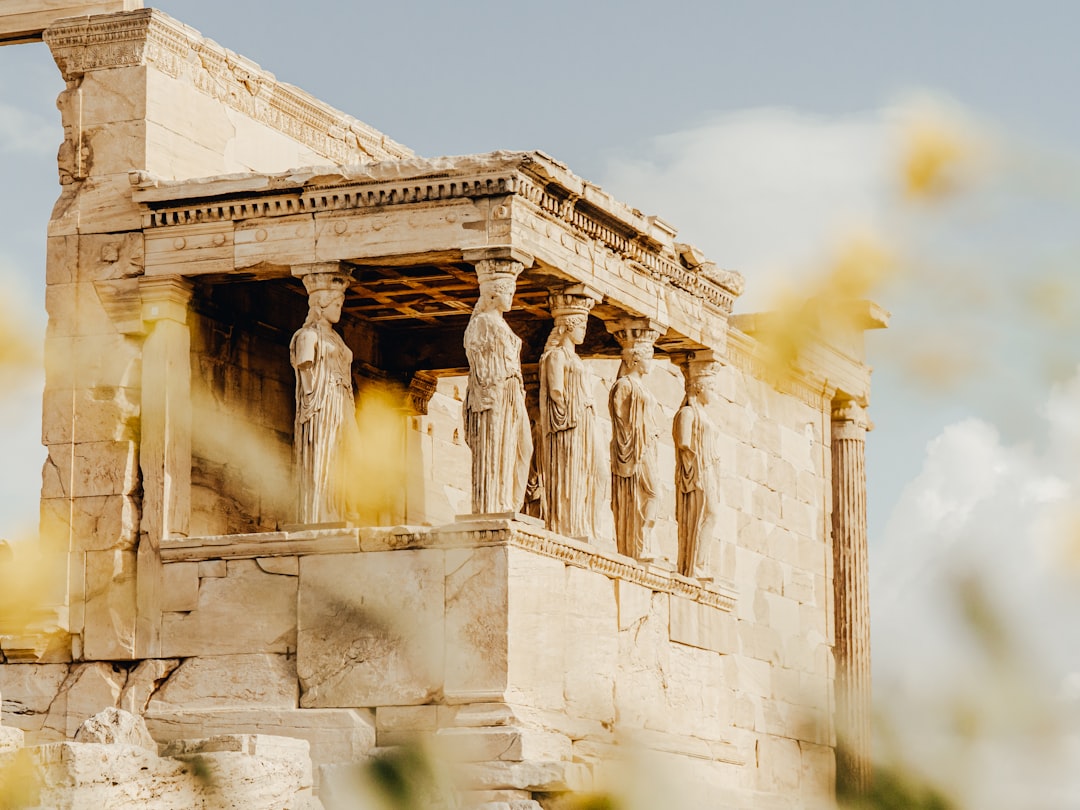
  • One Caryatid was cut out and shipped to Britain by Elgin's men in 1801, with a brick pier put in the gap; the other five are displayed with the space left open where she goes.
  • Elgin's authority was a letter from a deputy official, not a decree from the Sultan, and the reading that best survives scholarship is that it covered loose pieces, not sculpture on standing temples.
  • To reduce shipping weight, Elgin's workmen sawed the carved faces off the backs of the frieze blocks.
  • Melina Mercouri, Greece's Minister of Culture, told a UNESCO conference in 1982 that there are no such things as the Elgin Marbles, and said that if they came home after she died she would be reborn to see it.
  • The Caryatid in London has been indoors since 1817 and is in better condition than the five that stayed outside until 1979, whose faces were damaged by pollution and acid rain.
  • The missing frieze is filled with plaster casts cast in a deliberately different colour so the joins show.
Featured Tour

Athens in One Morning

12 stops • 1h 30m

View Tour

Location

Athens, Greece
Open in Maps