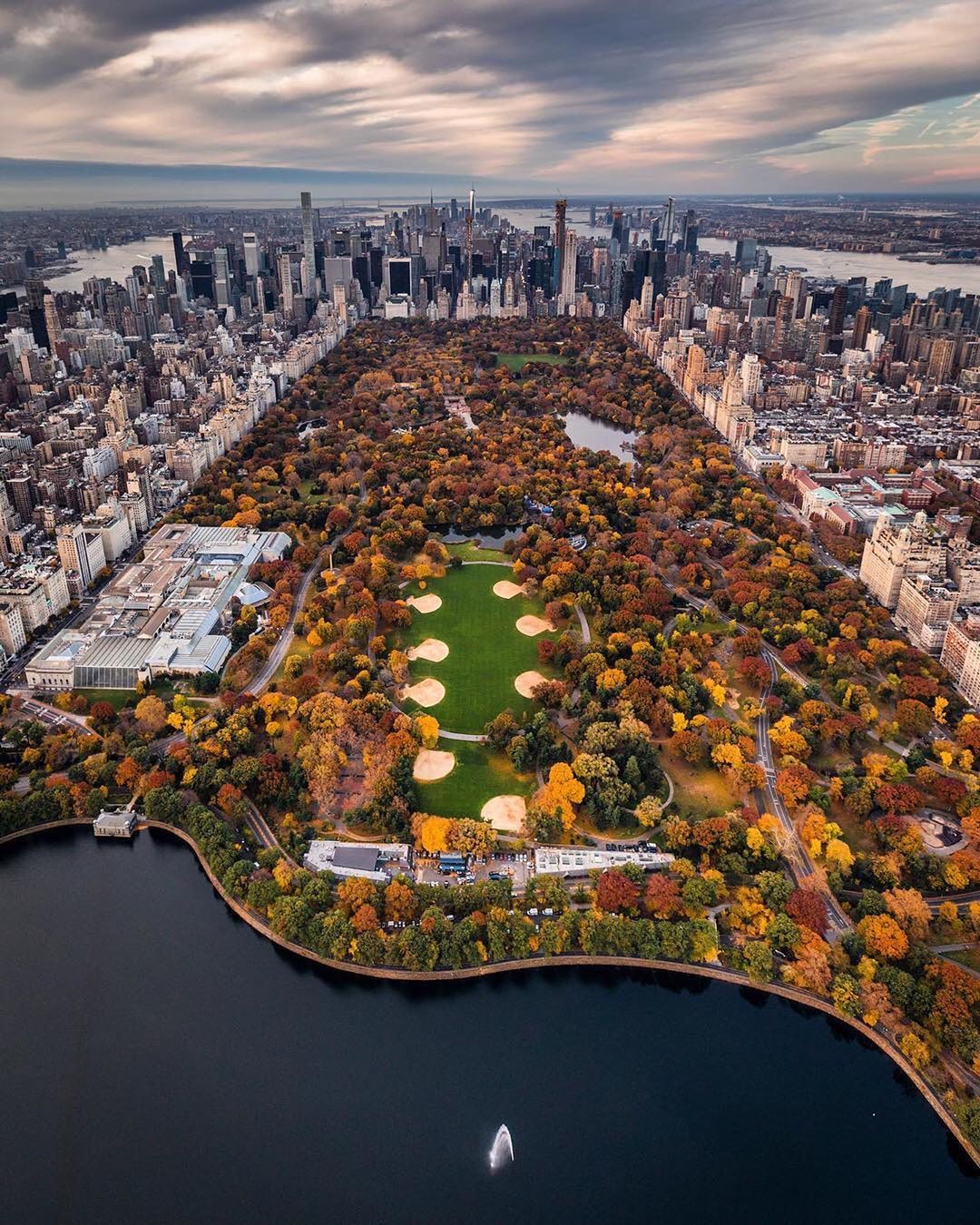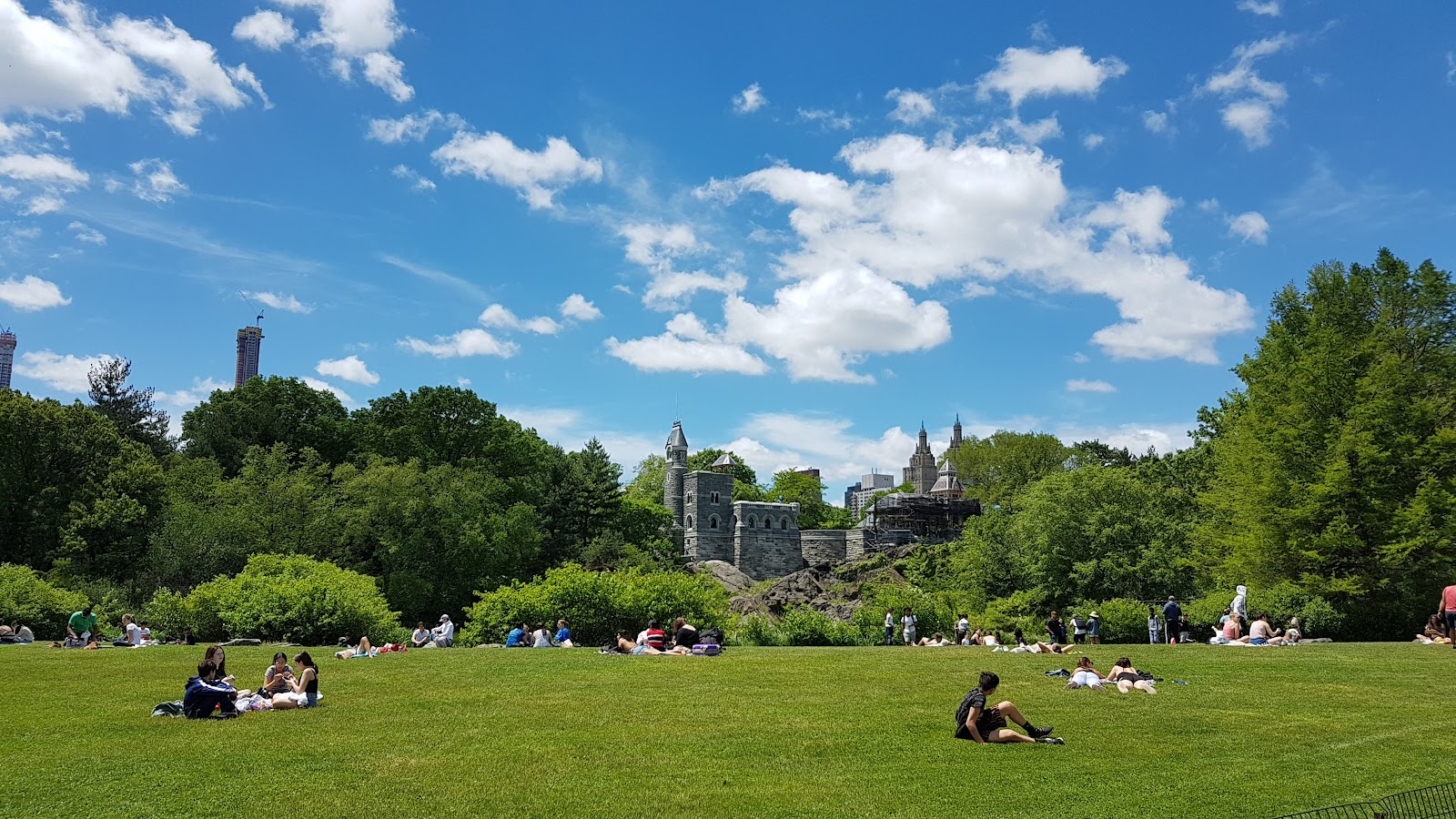
The Great Lawn. Thirteen acres of carefully maintained grass sitting on top of a thirty-one-acre footprint, and you'd never know that underneath it is a buried reservoir, a demolished shantytown, and the rubble of Rockefeller Center.
From eighteen forty-two to the nineteen thirties, this entire area was the Croton Receiving Reservoir. A thirty-one-acre rectangular tank with fortress-like stone walls. Eighteen hundred feet long, eight hundred feet wide, holding a hundred and eighty million gallons of drinking water. It was part of the Old Croton Aqueduct, which carried water forty-one miles from the Croton River in Westchester County. If you know where to look along the edges of the Great Lawn, you can still find remnants of the original stone walls.
The reservoir was decommissioned in nineteen thirty-one. And then the city had a problem: a massive hole in the middle of Central Park and nothing to fill it with.
The solution — and this is so perfectly New York — was to dump constructi
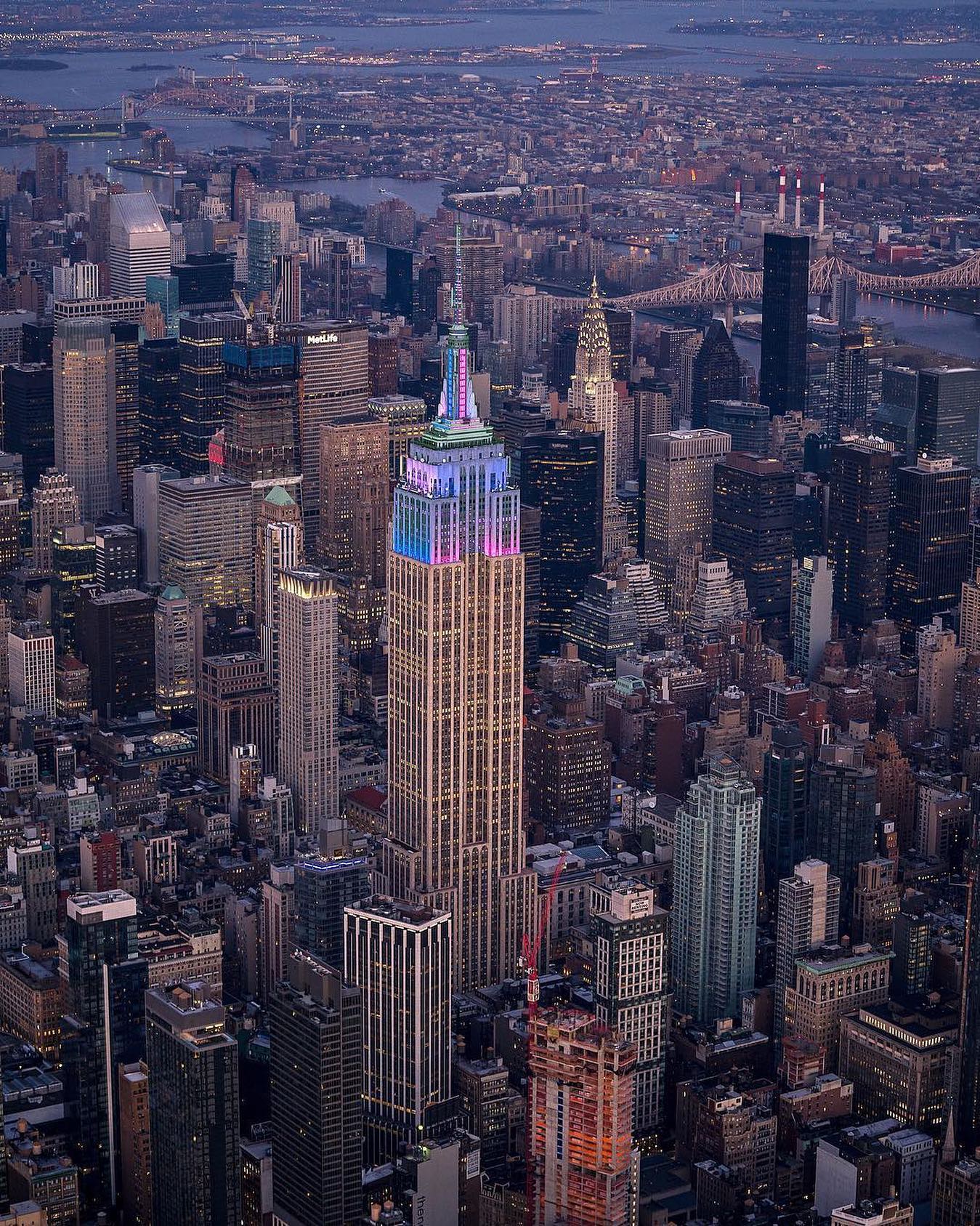
on debris from two of the decade's biggest building projects. The fill dirt came from the excavation of Rockefeller Center and the Eighth Avenue subway. So underneath this grass — right now, beneath your feet — is the rubble of Art Deco skyscrapers and subway tunnels. You're standing on top of Midtown.
But between the reservoir being drained and the lawn being built, something else happened here.