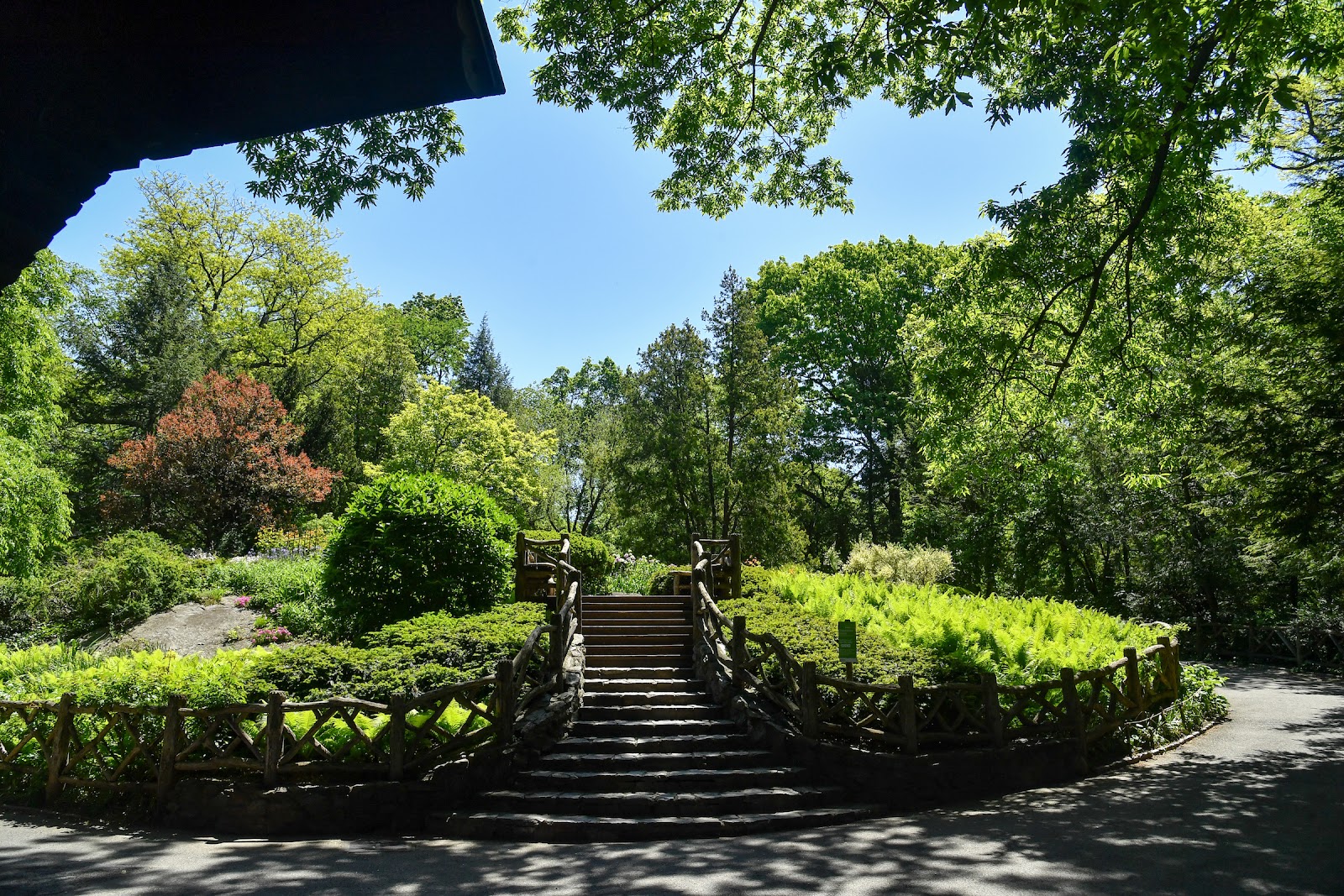
Summit Rock. You're standing on the highest natural point in all of Central Park — a hundred and forty-one feet above sea level. This rock is the same Manhattan schist as Vista Rock. Formed at the bottom of an ancient ocean roughly four hundred and fifty million years ago, when continents collided and pushed seafloor mud into mountains. Twenty thousand years ago, a glacier a thousand feet thick — roughly as tall as the Chrysler Building — sat on top of where you're standing. Those scratches and grooves in the bedrock? Glacial striations. Carved by ice.
This spot gets overlooked because it's tucked behind trees, away from the main roads. Most tourists never find it. Which is fitting, because Central Park has a long history of hiding things.
In January of twenty thirteen, preservation workers for the Conservancy were cleaning two Revolutionary War-era cannons that had been stored in a shed near the seventy-ninth street transverse. When they opened one of the capped cannons, they found
it was still loaded. Over eight hundred grams of black gunpowder — still active — plus wool wadding and a cannonball. The N-Y-P-D Bomb Squad was called. The cannon was at least two hundred and thirty-three years old. It came from the H-M-S Hussar — a British Royal Navy frigate that sank in the East River in seventeen eighty.
This cannon had been on public display in Central Park from the eighteen