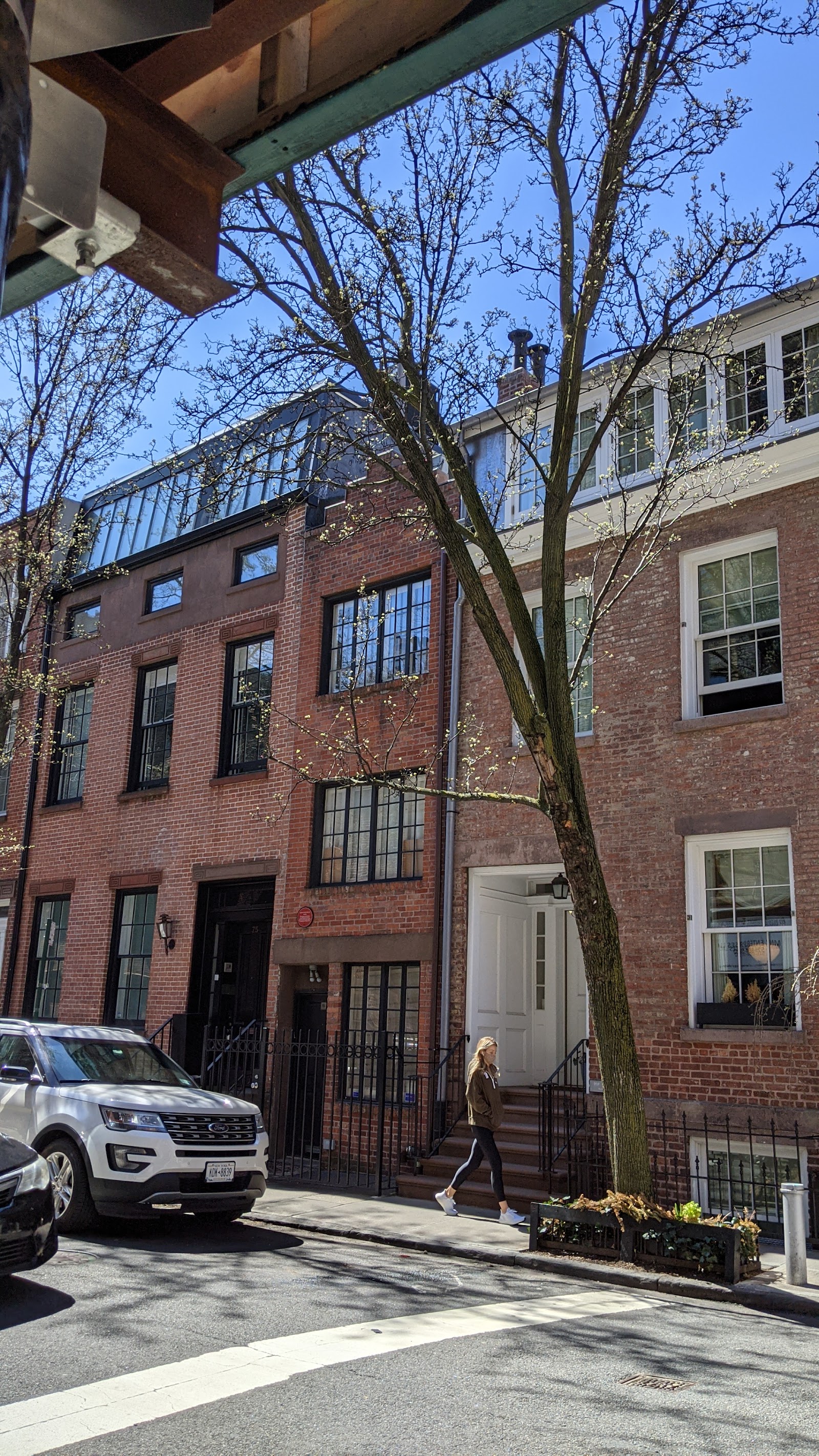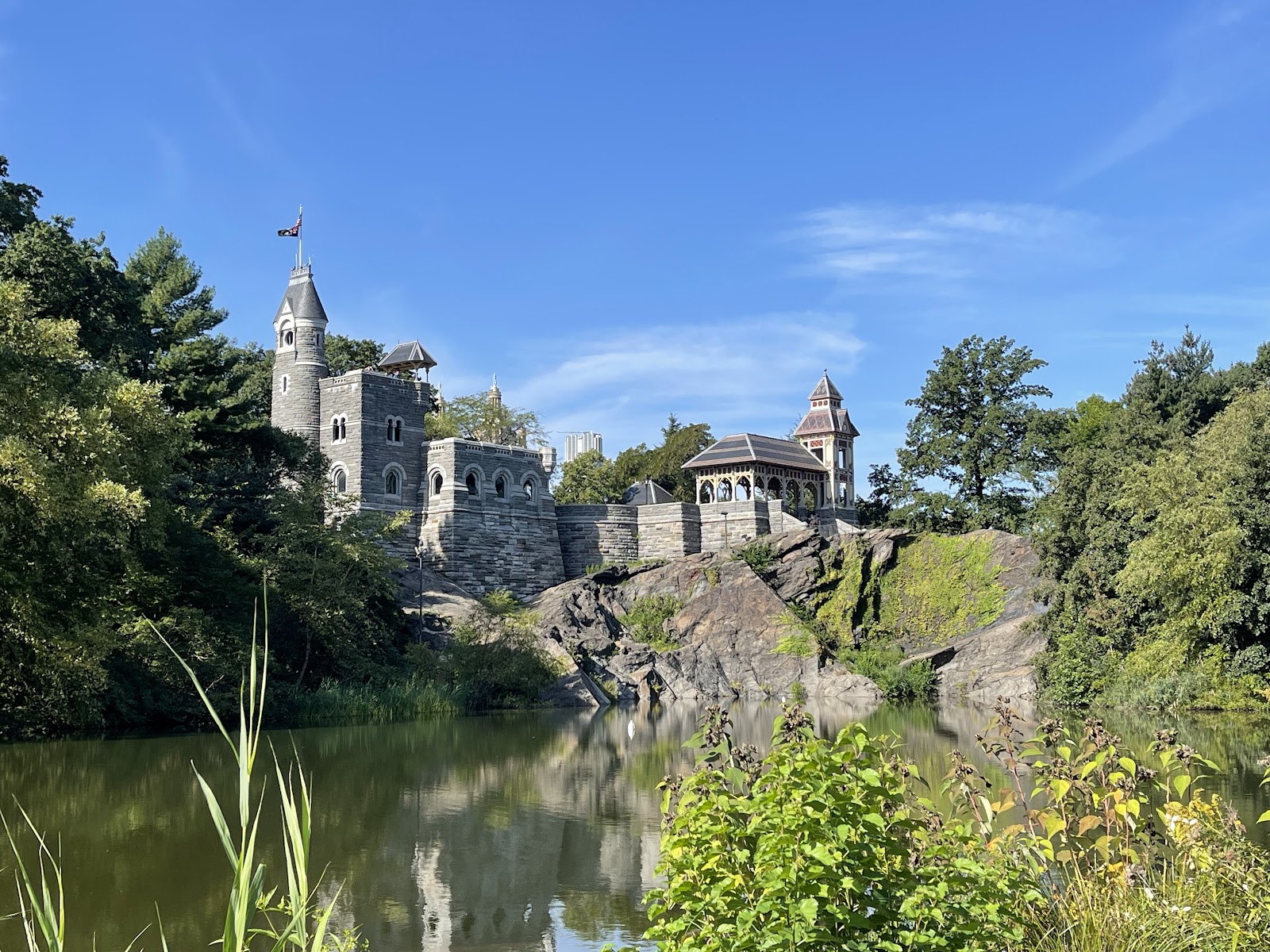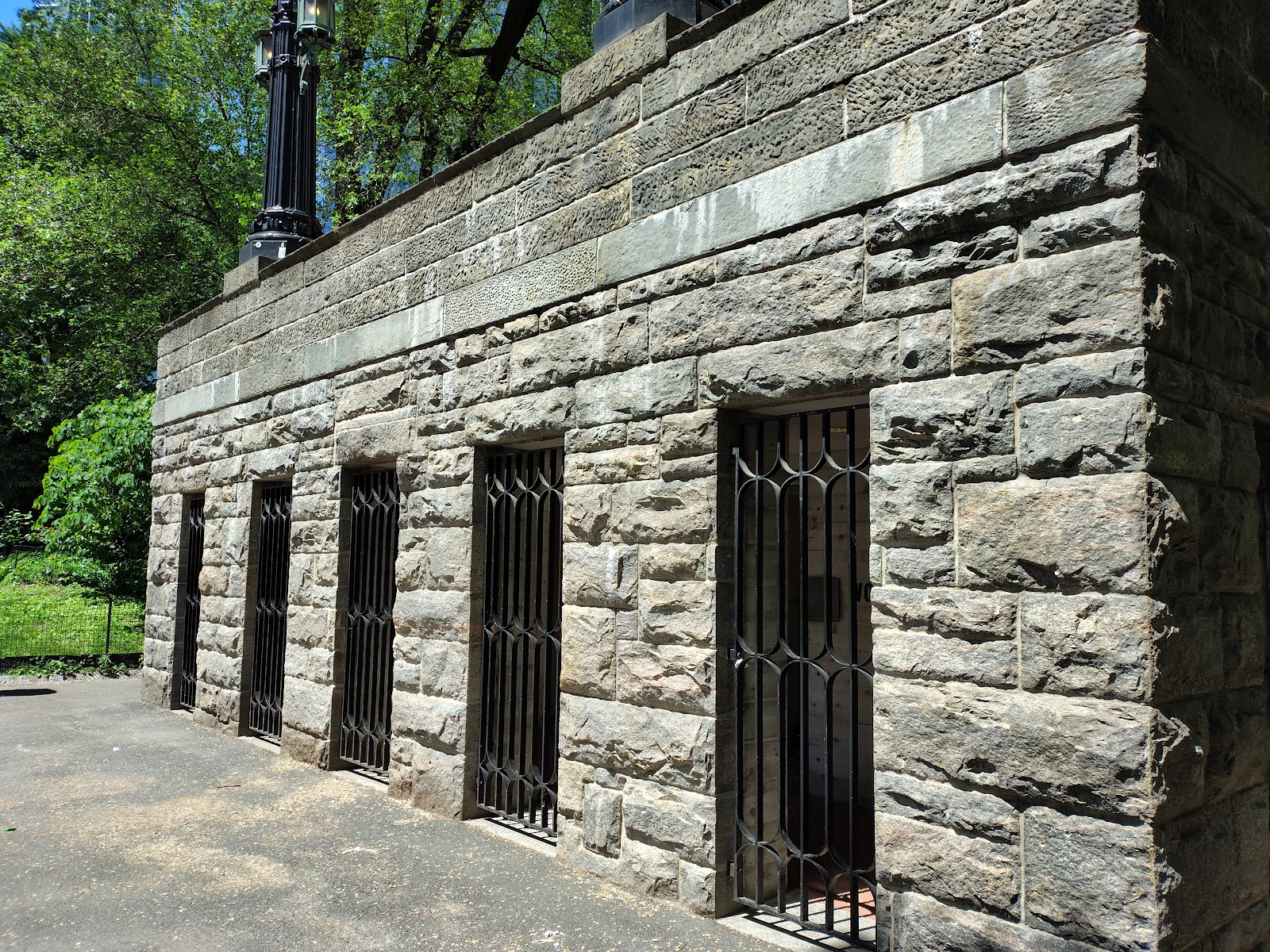
So. Merchants' Gate. One of eighteen original entrances, each named after a profession — Artisans' Gate, Engineers' Gate, Miners' Gate. The names were chosen in eighteen sixty-two as a political statement supporting the North's free labor system. Most weren't actually inscribed in stone until nineteen ninety-nine. A hundred and thirty-seven years late. That's New York for you.
Look around. Those rocks poking through the ground? Those are real. Manhattan schist — five hundred million years old, give or take. Older than trees. Older than insects. Those rocks were here when this island was at the bottom of an ocean.
Everything else? Everything that isn't ancient bedrock? Somebody put it there.
The man responsible was Frederick Law Olmsted, and before he designed the most famous park in the world, he had failed at essentially everything. He tried being a merchant sailor. Got seasick the entire voyage to China, spent ONE day on the continent, came home, and wrote an article about it anyw
ay. He tried farming on Staten Island. The farm failed. He tried running a gold mine in California. That failed too — he resigned and came home broke. He tried journalism. That actually worked, briefly — he traveled the South and wrote about slavery. But it didn't pay.
By eighteen fifty-seven, he was thirty-five years old, broke, and desperate. So when a job opened up as superintendent of a park