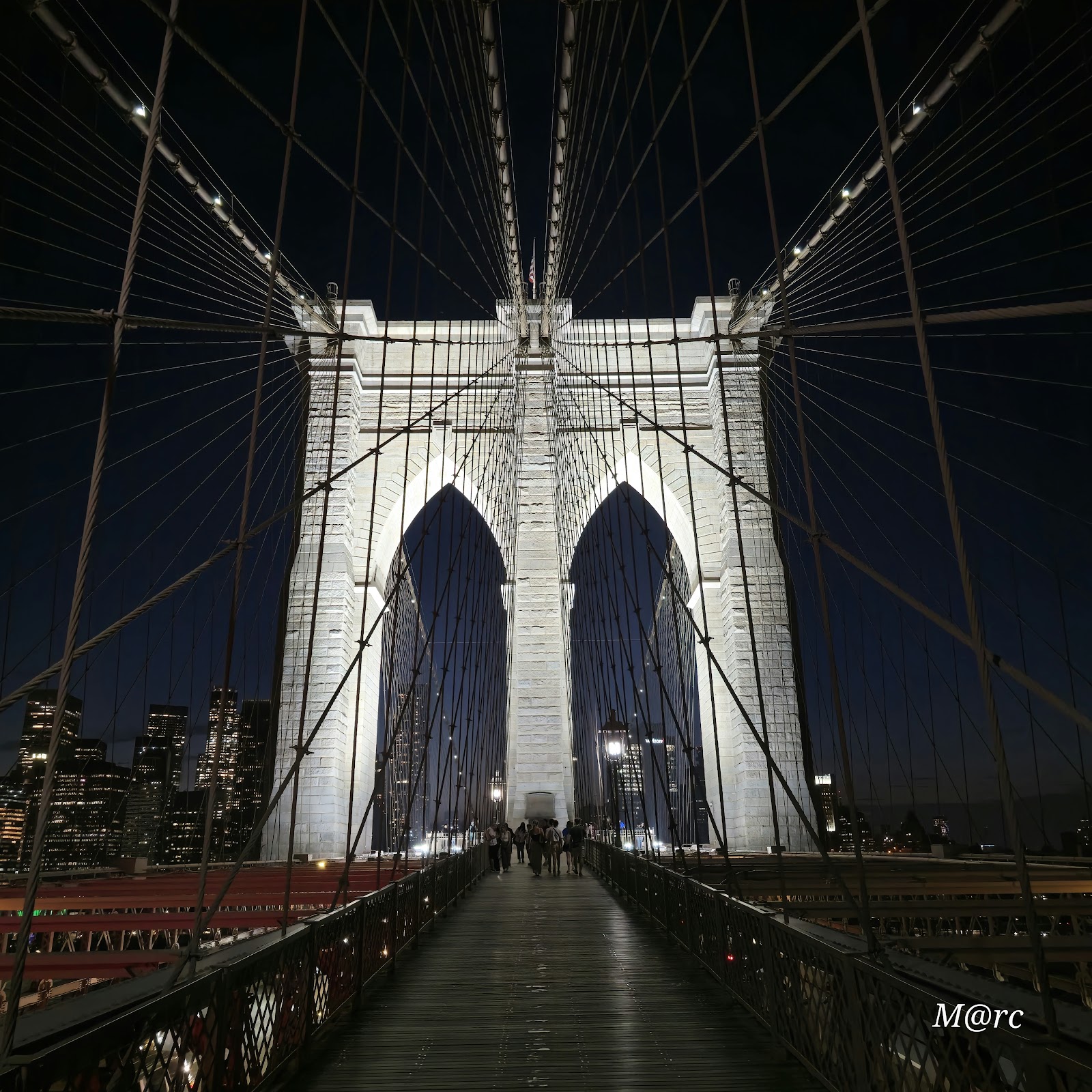
You've crossed. You just walked the Brooklyn Bridge.
On May twenty-fourth, eighteen eighty-three, a hundred and fifty thousand people did the same thing. In one day. The President of the United States was there — Chester A. Arthur. So was the Governor of New York — Grover Cleveland. Two years later, Cleveland became president himself. Which means two future presidents stood on this bridge at the same time. Nobody noticed. They were too busy looking at the fireworks.
Fourteen tons of fireworks. Six Navy ships anchored beneath the bridge. The harbor forts fired cannon salutes. Every steamship in the East River blasted its horn. It was the biggest celebration New York had ever seen.
The pedestrian toll was one penny. One cent to walk across the longest bridge in the world. Horse and rider, five cents. Horse and wagon, ten cents. Cows were five cents each. Sheep and hogs, two cents.
A con man named George C. Parker was reportedly in the crowd that day. He is said to have turned to a st
ranger and remarked: beautiful bridge. Shame about the ownership situation.
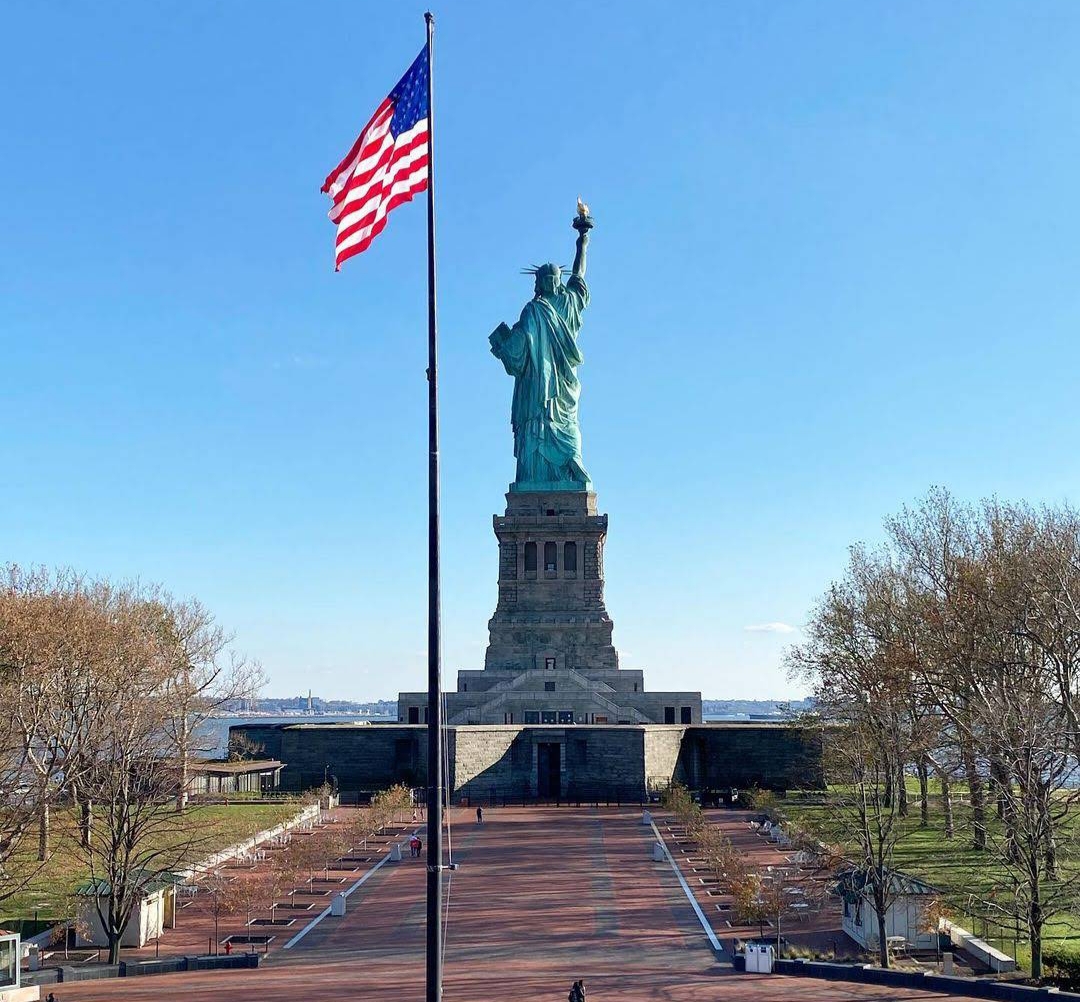
Parker would go on to become one of the greatest con artists in American history. His specialty? Selling the Brooklyn Bridge. Repeatedly. To immigrants. With forged ownership documents. His victims would actually try to set up toll booths on the bridge before police stopped them. He also sold the Statue of Liberty. And Gr